The Lime Tea Pot Embroidery Design: A Seller’s Review
As someone who runs a small embroidery shop and regularly scouts Creative Fabrica embroidery designs for my Etsy listings, I approach every new file with a mix of creative excitement and practical business scrutiny. Today, I’m evaluating the Lime Tea Pot design. Let’s walk through my thought process on whether this machine embroidery design deserves a spot in my product collection.
The Visual Appeal & Market Personality of Lime Tea Pot
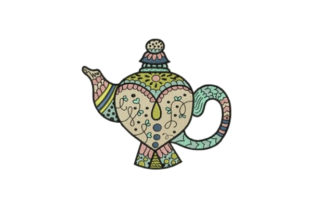
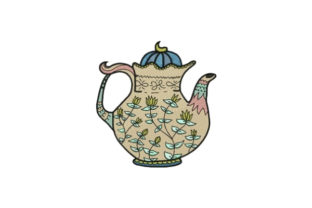
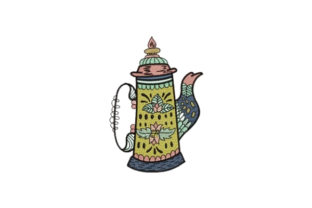
The name itself—Lime Tea Pot—immediately paints a picture. It suggests a cheerful, perhaps slightly rustic or vintage-inspired teapot with a pop of citrus color. This isn’t a stark minimalist design or an overly ornate one; it leans into the territory of cute, playful, and classic. The “charm and character” mentioned in the description is key. For handmade products, charm sells. This design feels inherently giftable and approachable, which is a huge advantage for Etsy sellers targeting customers looking for thoughtful, personal items.
Its theme anchors it firmly in the Tea category, but that’s a wide and beloved niche. Think beyond literal tea towels. This design evokes cozy moments, hospitality, and a touch of whimsy. It’s feminine without being overly floral, and it has a modern freshness from the “lime” element that could appeal beyond strict vintage aesthetics. This blend makes it versatile for personalized gifts and boutique merchandise.
Product Ideas: Where Lime Tea Pot Could Shine
Based on its personality, here’s where I envision the Lime Tea Pot embroidery file working best for my craft business:
- Tote Bags & Aprons: A single, well-placed Lime Tea Pot on a canvas tote or cotton apron creates a standout handmade home decor or practical accessory. It’s thematic without being too niche.
- Sweatshirts & Caps: For custom apparel, this design has the right balance of detail and simplicity to be readable and attractive on garments. A small Lime Tea Pot on a sleeve or cap could be a sweet, subtle detail.
- Baby Blankets & Kitchen Towels: These are classic baby embroidery and kitchen towel embroidery products. The cute, cozy theme fits perfectly for heirloom-style blankets and cheerful kitchen linens.
- Embroidered Patches & Pillow Covers: As a standalone embroidered patch, it’s a great sellable item for tea lovers. On a pillow cover, it becomes a lovely accent piece for a living room or bedroom.
- Seasonal Collections: While not a holiday design, it could anchor a “Cozy Kitchen” or “Morning Rituals” seasonal collection, paired with complementary designs like cups or herbs.
For product photography and social media previews, this kind of design is a winner. Its clear subject and implied story (“a cup of tea”) make it easy to style appealing photos. It also lends itself well to printable mockups for digital listings, helping customers visualize the final product.
The Buyer’s Perspective: Why This Design Adds Value
When a customer scrolls through Etsy, your product needs to communicate value instantly. An item embroidered with Lime Tea Pot can help with that. It makes a product feel more professional and intentional—it’s not just a blank item; it’s a designed piece. It adds a memorable focal point that tells a mini-story, which is powerful for online shoppers. For gift buyers, it provides that “just right” thematic touch, making the item feel specially chosen, not generic.
The design’s likely cute aesthetic also has broad appeal, particularly in markets like motherhood, home-making, and casual fashion. This expands your potential customer base beyond just hardcore tea enthusiasts.
Practical Seller Notes & Essential Checks
Before I commit to creating any listings, my business routine involves several practical steps. If you’re considering Lime Tea Pot for commercial embroidery, I strongly recommend the same.
Always Test the Design First
Never list a product based solely on the digital preview. Your first action should be to create a sample stitch-out. This reveals the true character of the design.
- Photograph it on real fabric: Use a few different base materials (like cotton canvas for tote bags, terry for towels, and fleece for blankets) to see how it behaves.
- Compare thread color options: The “lime” suggests a green accent, but try different thread combinations. A classic red or blue teapot with lime accents? Or a fully green-themed version? Testing colors can open up more product ideas.
- Check readability at listing-thumbnail size: Zoom out your photo to simulate an Etsy search view. Does the design still look clear and appealing as a small image? Complexity that turns muddy at small size hurts clicks.
- Review stitch density: A very dense design can be challenging on delicate fabrics or require more stabilizer. Assess how it feels on your sample fabrics.
- Confirm hoop size: The description doesn’t specify a hoop size, so you must check the actual embroidery file details on the Creative Fabrica product page. Knowing the minimum hoop requirement is crucial for planning your finished products.
The Licensing Imperative
This is non-negotiable. Before selling any finished goods, you must check Creative Fabrica licensing for this specific design. Confirm that your intended use—selling physical embroidered items on Etsy or at craft fairs—is covered under the license provided with the digital embroidery file. Always review the license terms on the product page before purchase.
Final Thoughts for Creative Entrepreneurs
The Lime Tea Pot design, from my seller’s perspective, presents a solid opportunity. It has a clear, appealing theme that translates well into multiple product categories vital for a small shop owner: apparel, home decor, gifts, and accessories. Its personality is warm and market-friendly, which aids in both product photography and customer connection.
The key to success, as always, lies in the preparation. By stitching a sample, thoughtfully selecting your application products, and ensuring proper licensing, you can transform this lovely embroidery design into a profitable part of your small batch apparel or handmade home decor line. It’s a design that seems to understand its role—to add charm and character, not just stitches—and that’s exactly what helps an embroidered product stand out in a crowded marketplace.