Embroidered Charm: Putting the Flower Tea Pot Design to the Test
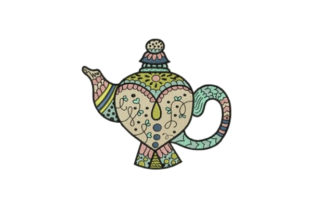
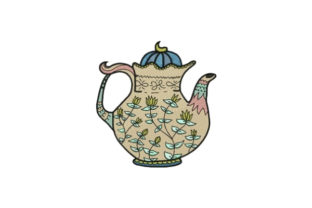
As a professional embroidery designer planning for a busy gift shop season, my workflow always begins with a review. I open a new embroidery file, imagining it stitched onto a real product destined for a real customer. Today’s subject is the Flower Tea Pot design. My goal is practical: to see if this design holds up as a finished personalized gift, to understand its appeal, and to pinpoint exactly how and where it should be used before it goes into production for customer orders.
A First Impression of Sweet, Handmade Elegance
The instant impression of the Flower Tea Pot design is one of gentle charm. It feels sweet and classic, with a handmade aesthetic that avoids being overly childish or starkly modern. The detail level suggests a lovely balance: enough intricacy in the floral elements to feel special, but likely without such extreme density that it becomes a stitching challenge. This emotional appeal is its strongest asset—it evokes warmth, comfort, and a touch of romance. It doesn’t shout; it quietly invites. I immediately envision it on items meant to convey care and thoughtfulness.
The Perfect Canvas: Gift Products That Tell a Story
In my gift shop planning, I mentally place this design onto various products. The emotional core of the Flower Tea Pot makes it a versatile contender for meaningful gifts.
- For Baby & Nursery: This design could be exquisite for baby embroidery. Stitched onto a blanket, a little gown, or a nursery pillow cover, it becomes a gentle, floral welcome. It feels more timeless than many trendy cartoon characters, offering a keepsake quality.
- For Wedding & Home: As a wedding gift, embroidered onto a kitchen towel, apron, or pillow cover for the new couple, it symbolizes warmth and shared moments. It’s a beautiful alternative to more overtly romantic motifs.
- For Family & Everyday Keepsakes: Personalized towels, tote bags, or pillow covers for a mother, grandmother, or tea-loving friend become heirlooms with this design. It’s perfect for craft fair products or Etsy listings where storytelling matters.
The key is its giftability. It feels crafted, not mass-produced. This elevates the perceived value of the finished item, building customer trust in your handmade quality. In product photography, this design will provide a focal point that speaks of emotional connection, helping engage buyers looking for something uniquely personal.
Where the Flower Tea Pot Design Requires Careful Placement
No design is universally perfect for every application. Based on its style, certain uses need a tester’s caution.
- Delicate Details & Small Text: If the design includes small lettering or very fine floral lines, these might not translate well on thick, textured fabrics like some towels, or on stretchy baby clothes where distortion can occur.
- Fabric Texture & Color: Dark fabrics require careful thread color selection for contrast. Highly textured linens or nubby blankets might obscure finer details. Curved surfaces, like on a rounded pillow, demand excellent hooping and stabilizer.
- Durability Concerns: For products destined for frequent washing—like kitchen linens or baby items—testing stitch density and stability is paramount to ensure the embroidery lasts.
This isn’t a limitation; it’s a professional consideration. Knowing this guides you to use the design where it will shine brightest.
A Practical Stitch Test: Notes for a Professional Finish
Before this machine embroidery design touches any customer order, a thorough test protocol is non-negotiable. Here is my checklist for the Flower Tea Pot.
- Start with Scrap Fabric: Use a fabric identical to your target product—a towel scrap, blanket swatch, or bag material. This reveals how the fabric texture interacts with the design.
- Confirm Hoop Size & Stabilizer: The appropriate hoop size and stabilizer are foundational. They prevent puckering and ensure clean registration, especially for potentially delicate elements.
- Check Thread Color Contrast: Stitch a version on both light and dark background mockups. Does it pop, or does it fade? This is crucial for product photography and final appeal.
- Review Stitch Density & Detail Integrity: After stitching, examine small details closely. Are they crisp? Is the density appropriate for the fabric? High density on a thin baby knit might be too stiff.
- Consider Commercial Use: If you are an Etsy seller or small shop producing finished products for sale, always confirm the commercial embroidery license terms for the digital embroidery file before selling.
Missing specific details like exact stitch count or file format? Always check the provided design information. This due diligence separates a hobby project from a reliable, sellable finished product.
Final Thoughts: A Design That Brews Connection
After this review, the Flower Tea Pot design stands out as a strong candidate for a personalized gift shop. Its sweet, elegant mood translates into a wide array of products that carry emotional weight—from baby embroidery to wedding gifts to everyday custom embroidery. Its charm is its versatility, but its successful application hinges on mindful pairing with the right fabric and a committed testing process.
For crafters, baby product creators, and wedding gift designers, this design offers a ready-made story. For the customer receiving an embroidered towel, pillow cover, or blanket embroidery featuring this pot, it’s not just an object. It’s a handmade emblem of warmth, care, and shared moments—the very essence of a meaningful gift. That’s the practical magic we, as designers and makers, are always testing for, and the Flower Tea Pot design, with the right professional approach, seems poised to deliver it.