Beyond the Design File: How the Border Collie Embroidery Works in Real Projects
First Impressions: A Design with Character
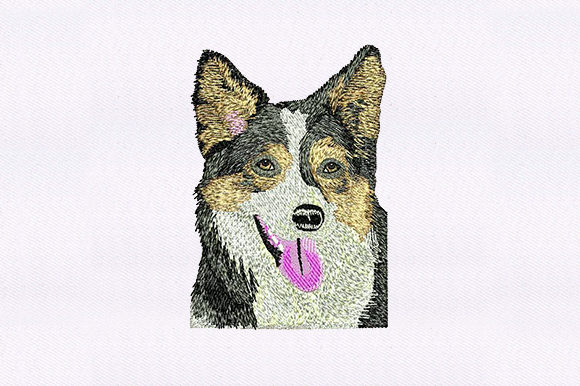
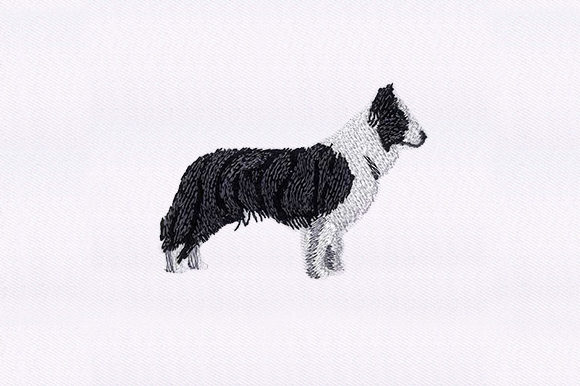
When you open the Border Collie embroidery file, your first thought likely isn’t about stitch count or density. It’s about character. This design captures that alert, intelligent energy of the breed without leaning into cartoonish exaggeration. The shape is dynamic, the detail level feels thoughtful—enough to suggest fur texture and breed markings without becoming overly dense. It creates a mood of friendly, focused companionship. This isn’t just a generic dog graphic; it has a personality. That visual personality tells me it naturally belongs on projects meant to feel personal, cherished, and a little bit special.
The Real-Life Test: From Mockup to Machine
I recently had a client request a custom embroidered tote bag as a birthday gift for a devoted Border Collie owner. This was the perfect scenario to evaluate this machine embroidery design in practice. In a printable mockup, the design looked crisp, but the real test is on fabric. I always test on scrap fabric first, using both a light and dark background piece to check thread color contrast. On a mid-weight canvas, with proper stabilizer, it stitched out cleanly. The outline held its shape, and the interior details didn’t blend into a muddy blob—a common pitfall with animal designs. On the finished tote, the result was a handmade product with immediate recognition and appeal. The client’s reaction was the best review: it looked exactly like her dog.
Where This Design Finds Its Home
This versatility is key. I envision the Border Collie design excelling on:
- Custom apparel like sweatshirts or t-shirts for dog lovers.
- Personalized gifts: baby clothes for a family with a beloved pet, or holiday embroidery on tea towels.
- Small shop merchandise: high-value items like embroidered patches for jackets or premium pillow covers for a boutique.
- Craft business staples: well-made aprons, kitchen towels, or nursery decor.
- Commercial embroidery projects for pet businesses, like staff uniforms or promotional caps.
Its clean, approachable style boosts product value and customer trust. On an Etsy listing or craft fair product, it conveys professionalism and care, which directly affects buyer engagement.
Practical Considerations for a Flawless Finish
Success with any embroidery design hinges on respecting its characteristics. While I can’t speak to exact hoop size or stitch density without the provided specs, here’s how I’d approach this one.
On textured fabrics like a sweater or a blanket, I’d be mindful. The details need a smooth enough surface to sit cleanly. On thin or stretchy fabric, like a t-shirt, robust stabilizer is non-negotiable to prevent puckering and maintain that sharp shape. For products needing frequent washing, like baby clothes, I’d recommend testing durability with a few wash cycles on your sample piece.
Placement matters. On a curved surface like a cap, the design’s proportions should be checked in a simulation first—some designs distort oddly on curves. Also, if the design has very small details or tiny lettering (if included), you must inspect them carefully in your test stitch. A dense fill stitch area in the body might require a slightly lowered stitch density on delicate fabrics to avoid a stiff, heavy feel.
A Note for Entrepreneurs and Makers
If you’re using this for a small business product or as a digital product seller, clarity upfront is crucial. Before selling finished items, confirm the licensing. Does it allow for commercial embroidery and selling the physical products you make? Always verify. This protects your brand consistency and professionalism. Furthermore, presenting the design well in your shop—using clean black and white mockups alongside stitched samples—shows confidence in your design assets.
The Final Stitch: Why This Design Works
Ultimately, the Border Collie embroidery project isn’t just about a cute dog. It’s about translating a digital file into a tactile object that carries emotion. Its visual appeal and stitching clarity translate directly into a finished product that feels giftable, professional, and thoughtfully made. It fits into the ecosystem of a maker’s work—whether you’re a hobbyist creating a one-off personalized gift or an apparel decorator running a batch of sweatshirts. The design’s strength is its balance: it’s detailed enough to be interesting, but not so complex that it becomes a liability on varied materials. That’s the kind of practical judgment that turns a good embroidery file into a great real-world project.