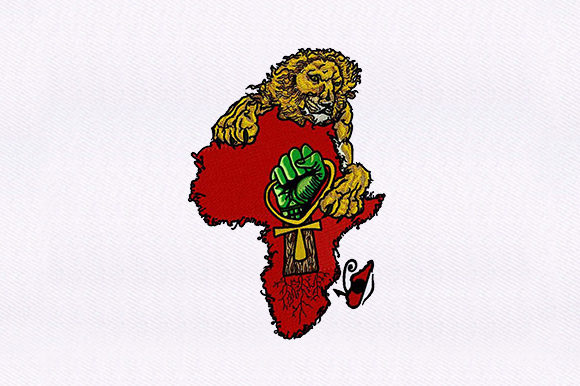
Evaluating Lion African Continent for Real-World Embroidery Projects
When a new embroidery file lands in my library, I don’t just look at it on screen. I think about how it will live in the real world—on a fabric, in a hoop, under a needle, and finally, as part of a finished product someone will wear, use, or gift. The Lion African Continent design prompts that kind of practical thinking immediately.
The Immediate Appeal: More Than Just a Wild Animal
First impressions matter, both for me as a designer and for the eventual customer. This isn’t merely a lion illustration; it’s a statement piece. The fusion of the majestic animal with the continent outline creates a narrative. It speaks of heritage, strength, and connection. The mood it sets is bold and meaningful, which translates beautifully into products intended as gifts or for personal expression. The detail level suggests a design that relies on clean satin stitch outlines and intelligent fill stitch areas to create impact without becoming overly dense.
Where This Design Naturally Belongs
Imagine pulling this design into your software for a specific client request. I picture it on a custom embroidered tote bag for a traveler, or centered on the back of a premium sweatshirt for a small boutique. Its balanced, iconic shape makes it a perfect candidate for a standalone patch, which could then be applied to anything from a backpack to a denim jacket. For creative entrepreneurs, this design has strong giftability—think of it on a pillow cover for a nursery or elegantly stitched onto a kitchen towel as a thoughtful wedding gift. The theme resonates widely, making it a versatile asset for an Etsy seller’s seasonal collection or a craft fair display.
A Scenario: Crafting a Boutique Sweatshirt
Let’s walk through a real case. A client wants a unique, nature-inspired sweatshirt for their small shop. I hooped a mid-weight fleece, chose a robust stabilizer, and ran Lion African Continent. The key here is visual clarity. On a textured fabric, the design’s larger shapes hold up well, but the smaller continental details need a sharp stitch definition to remain legible. Using a contrasting thread palette—perhaps earthy tones against a cream fabric—enhances that readability and elevates the handmade presentation. The finished product feels professional and valuable, exactly what builds customer trust.
Performance Across Projects: Where It Shines and Where to Pause
This embroidery design adapts well to many canvases. On a sturdy tote bag or apron, it will be a durable, everyday artwork. For baby embroidery on a romper, simplifying the thread count to softer colors can make it adorable without losing its character. It’s equally effective for digital product sellers creating printable mockups; its clear silhouette looks compelling in previews.
However, a practical reviewer must note where caution is needed. The design’s success depends on respecting its composition. On very small hoop sizes, some of the finer interior details might merge or lose definition. Stitching it on thin or stretchy fabric, like a lightweight t-shirt, requires meticulous stabilizer choice to prevent puckering, especially in any denser fill stitch areas. Embroidering on dark fabric demands a deliberate thread color strategy for contrast. And on curved surfaces like caps, the elongated shape might need careful positioning to ensure the continent outline sits flat and undistorted.
Visual Impact and Business Sense
Using Lion African Continent isn’t just about stitching; it’s about curation. When applied correctly, it boosts the perceived value of the final product. A well-embroidered sweatshirt becomes a boutique product, not just apparel. For a craft business, consistently using designs with this level of thematic coherence strengthens brand consistency. It engages buyers because it tells a story they can connect with, which is far more powerful than generic decoration.
Essential Designer Notes Before You Hoop
My workflow always includes these steps for a design like this, and I recommend them to any fellow maker:
- Always test on scrap fabric first. Use both a light and dark scrap to judge thread color contrast and stitch density.
- Inspect the small details in your test stitch. How do the continent’s interior lines come out? Are they clear or do they blur?
- Confirm your intended hoop size is appropriate for the design’s scale to maintain clarity.
- Consider the end-use. For products needing frequent washing, like baby clothes, review stitch density and stabilizer choice to ensure durability.
- For commercial embroidery or selling finished items, always verify the design’s licensing terms. This is a crucial step for digital product sellers and small shop owners.
- Don’t skip the black and white mockup. It helps visualize the design purely as shape and composition, stripping away color bias.
These aren’t just precautions; they’re the practices that transform a digital embroidery file from a preview into a reliable, high-quality part of your embroidery project toolkit.
The Final Stitch: A Design Built for Purpose
The Lion African Continent design, from the Wild Animals category, earns its place by being purpose-driven. It’s not just decorative; it’s evocative. In the hands of an embroidery designer, a crafter, or an apparel decorator, it becomes a tool to create products with depth. Its strength lies in that symbolic combination of lion and land, which resonates across personal gifts and commercial merchandise. Approach it with a practical eye, prepare your fabric and hoop with respect to its details, and it will reward you with a finished product that carries both visual weight and emotional resonance. That’s the hallmark of a design worth keeping in your active rotation.