The Tailor Kit: An Embroidery Designer's Review for Boutique Apparel
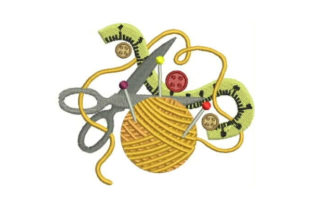
As someone who designs custom collections for small clothing brands, I constantly evaluate embroidery files for their potential on real garments. When considering the Tailor Kit embroidery design from Creative Fabrica, my first thought is its classic, confident personality. This isn't a flashy or overly cute design; it feels professional, slightly rustic, and inherently trustworthy. The combination of sewing scissors, thread, buttons, and a tape measure communicates a handmade, quality-conscious mood—perfect for brands that want to signal craftsmanship.
Visual Mood and Boutique Application
The Tailor Kit has a decorative strength that leans toward classic rather than trendy. It's detailed but not overly dense, which is a crucial balance for apparel. On a neutral cream sweatshirt, it would evoke a cozy, artisanal feel. Stitched on a pastel hoodie, it could become a gentle, feminine accent. On dark apparel, like a black denim jacket, the contrast would make the design pop with a bold, graphic quality. The imagery is inherently recognizable, which aids in product recognition for your brand.
For a small sweatshirt or hoodie collection, this design offers excellent visual consistency. Whether placed on the chest of an oversized garment, as a sleeve accent, or as a back design, it maintains its character. It would look equally purposeful on a tote bag, turning a simple accessory into boutique merchandise. This versatility is key for creative entrepreneurs building a cohesive line.
Placement and Performance on Garments
For sweatshirt embroidery, particularly on the chest, the design's composition needs consideration. The elements are likely grouped, so you must ensure the total area fits the intended placement without feeling cramped. It could be a stunning focal point on a hoodie's left chest, suggesting a brand dedicated to quality. As a sleeve accent, it would add a delightful detail, but remember that curved surfaces require careful hooping and stabilizer choice.
For t-shirt embroidery, test on scrap fabric first. T-shirts are stretchy, and any design with potential dense stitch areas—like detailed buttons or scissors—can cause puckering if not stabilized correctly. On fleece or ribbed fabric, which are common for cozy seasonal outfits, you must check stitch density to prevent the design from sinking into the texture. The Tailor Kit, with its thematic elements, could elevate a simple garment's perceived value, fostering buyer trust through its professional presentation.
Practical Designer Notes for Production
Before running this machine embroidery design on any garment, my standard process applies. Always test on scrap fabric that matches your final garment's weight and texture. Review thread color contrast against your apparel color; a classic design like this often benefits from traditional spool colors or bold contrasts on dark fabrics. Confirm the hoop size required by checking the Creative Fabrica product details; you need a hoop that accommodates the entire design without multiple placements.
Inspect the stitch density in your embroidery software. Areas representing tools like scissors or a tape measure might have solid fills. On stretchy fabric, high density can lead to stiffness or wrinkling. Compare placement options digitally or with printable mockups to see how it looks on different apparel types. Finally, always check the product details and licensing on Creative Fabrica before selling finished apparel to ensure your commercial embroidery use is covered.
Where to Use With Care
While versatile, the Tailor Kit requires thoughtful application. On small chest placements, ensure the design isn't too large to overwhelm a petite garment frame. On dense stitch areas, be mindful of fabric choice—heavy sweatshirt fleece handles density better than thin jersey. For dark garments, thread color choice is paramount for visibility. I would avoid using it on areas that will undergo significant stretching, like the sides of a fitted t-shirt, as this can distort the detailed imagery.
If the design contains tiny lettering (perhaps on the tape measure), it might not stitch cleanly on textured fabrics like fleece. For ribbed fabric cuffs or collars, the uneven surface can disrupt clean stitching. The key is to treat this as a premium accent, placing it where the fabric is stable and the visual impact is highest, thereby enhancing your brand identity and customer engagement.
Affecting Apparel Value and Brand Identity
This embroidery file can directly affect your apparel's perceived value. On a plain sweatshirt, it transforms the item from generic to specialized, suggesting a handmade product ethos. For Etsy sellers and small shop owners, such a design adds a layer of storytelling, which is powerful in lifestyle product photos and social media graphics. It tells a customer that your brand appreciates the tools and process of creation.
Using a well-executed, thematic design like the Tailor Kit builds visual consistency across your collection. A customer seeing it on a sweatshirt, then on a tote bag, starts to recognize your brand's aesthetic. This consistency fosters professional presentation across your Etsy listings and beyond. It’s a design that feels intentional, not random, which helps in building a trustworthy boutique brand image.
As a professional embroidery designer planning a collection, I see the Tailor Kit as a solid choice for projects targeting an audience that values craftsmanship and classic style. Its success on the final product, however, hinges entirely on your preparatory steps: testing, stabilizing, and placing it with purpose on your chosen custom apparel.