Japanese Style Tattoo Embroidery: A Bold Statement for Your Booth
When you're prepping for a weekend craft fair or stocking your Etsy shop, choosing the right design can feel like a gamble. You want something that pulls attention, feels unique, and translates well across a range of products. Let me walk you through my hands-on review of this Japanese Style Tattoo embroidery file, thinking like a designer who needs to turn a digital file into profitable, handmade products.
First Impression: Bold, Graphic, and Unmistakably Cool
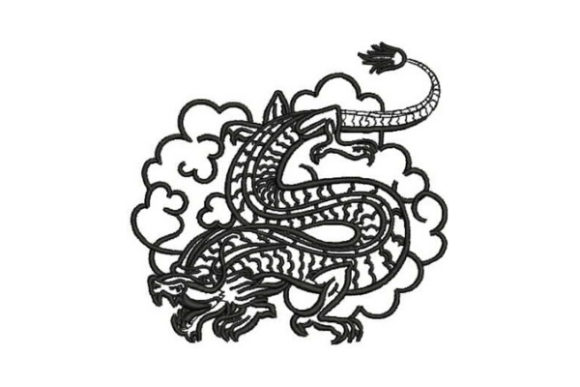
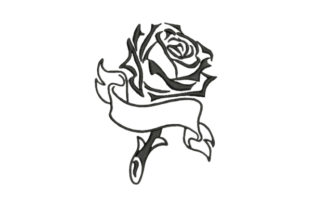
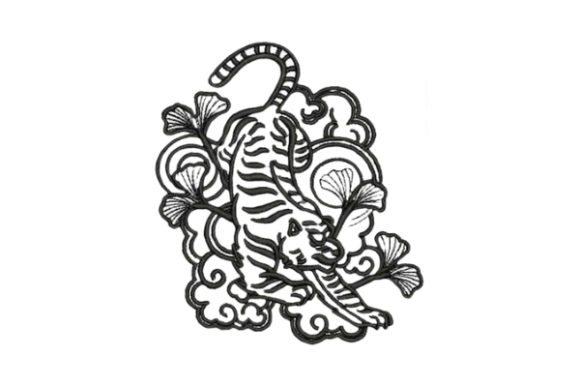
The title Japanese Style Tattoo sets a clear expectation: this isn't a soft, floral motif. It's graphic, it's bold, and it carries a distinct cultural aesthetic. From a craft fair booth perspective, that's a powerful starting point. This design isn't trying to blend in; it’s meant to stand out. It feels modern and decorative, with a edge that could appeal to customers looking for something beyond the typical rustic or farmhouse styles. On a crowded table, that differentiation is key.
Where This Design Will Stand Out on Your Products
Let's imagine your display: tote bags, aprons, tea towels, caps, patches, and small pouches. This isn't a one-size-fits-all design. Its success depends on strategic placement.
Tote Bags and Market Bags: Here, Japanese Style Tattoo can shine as a large, central focal point. The bold lines and graphic nature will read clearly from a distance, making your bag an immediate statement piece in your booth. It feels premium and artistic.
Embroidered Patches: This is a fantastic application. A patch with this design has immediate appeal as a standalone, wearable item. It taps into a specific style niche. For production, patches are also efficient for batch work.
Caps: Applying embroidery to a curved cap surface is always a test. The design's potential dense areas and intricate details need careful handling. It might work best as a smaller, simplified accent on the side of a cap rather than a large front panel, unless the file is specifically adapted.
Aprons and Tea Towels: On an apron, this could be a striking chest or pocket design, elevating a utilitarian item. On a textured tea towel, however, be cautious. Small, intricate details might lose clarity against the fabric's texture. A larger, cleaner section of the motif would be safer.
Pillow Covers and Small Pouches: These are great for a more decorative, giftable application. The design adds an artistic, modern touch to home decor or personal accessories, potentially increasing the perceived value.
Understanding at a Glance and Photographing Well
A major selling advantage for Japanese Style Tattoo is its likely quick readability. Customers at a fair should understand the style and appeal within seconds. This is equally crucial for your online listings. Graphic, bold designs typically photograph very well for Etsy listings and printable mockups, showing clean contrasts and clear intent, which helps drive clicks.
Scale: Accent vs. Focal Point
This design appears versatile. It could work as a smaller accent on a pouch corner or a massive, dramatic centerpiece on a tote. That flexibility is a boon for a small shop product line. However, you must test it at different sizes. Intricate tattoo-style art often contains tiny details or fine lines that may become muddled or cause thread breaks if stitched too small. Always check the design's clarity at your intended hoop size.
The Batch Production Question
For commercial embroidery to prepare for a fair, repeatability is gold. The consistency of this graphic style means it could be very effective for batch production on items like patches or tote bags. The potential challenge lies in stitch density. Dense areas can increase production time, wear on needles, and require more robust stabilizer choices. This impacts your cost and time per unit.
Careful-Use Notes for the Embroidery Designer
Before you run this file on your final products, here are my direct, from-the-hoop notes.
- Test on Scrap Fabric First: Always. Use the exact fabric type you plan to sell—canvas for bags, denim for caps, linen for towels. See how the design sits.
- Thread Contrast is Critical: This design likely relies on clear, dark lines. On dark fabric, you'll need a bold, light thread (white, gold, bright color) to maintain the graphic punch. On light fabric, classic black or deep navy will be striking.
- Inspect Stitch Density: Look for areas that might be overly thick. High density on lightweight fabrics like pouches can cause puckering without proper stabilizer.
- Fabric Texture Matters: As mentioned, textured fabrics like kitchen towels can obscure fine details. Smooth, tight-weave fabrics will yield the cleanest result.
- Create One Real Mockup: Before batch production, make one finished product. How does it feel? Does it look handmade and quality, or rushed? This mockup also becomes your best booth sample.
- Confirm Commercial Licensing: The description mentions it's an original design. As a digital embroidery file seller, you must verify your license permits you to sell the finished commercial embroidery products. Do not assume.
- Check the Provided Details: The description notes it comes with multiple embroidery files. Ensure you understand the included formats, hoop size recommendations, and any color list. This is foundational for a smooth production run.
Final Judgment: Booth Appeal and Customer Engagement
From a seller's perspective, Japanese Style Tattoo has strong potential to boost your booth's visual appeal. Its bold, Asian-inspired aesthetic creates a distinct "zone" in your display, attracting customers with that specific taste. It elevates product value by appearing artistic and intentional. When embroidered cleanly on a suitable product, it screams handmade quality and brand consistency for a maker focused on graphic, modern styles.
The engagement comes from its unmistakable character. It will spark conversations. Some customers will connect with it immediately. That direct reaction is what you want at a fair. My advice is to pair it with products that can carry its weight: sturdy tote bags, crisp pillow covers, and well-made patches. Avoid putting it on items where detail might get lost or where the style feels incongruous.
Your job as the embroidery business owner is to bridge the gap between a cool digital file and a tangible, desirable craft fair product. With careful testing, mindful fabric selection, and a clear understanding of your license, Japanese Style Tattoo could become a standout, profit-driving design in your handmade arsenal.