Happy Cow Clip-art: An Embroidery Designer's Product Review
As a professional embroidery designer preparing for a weekend craft fair, every design file gets a real-world review. I look at it not just as art, but as a potential product that needs to sell, look good in person, and be practical to produce. Let’s walk through the Happy Cow Clip-art embroidery design from that exact perspective.
First Impression: A Cute & Marketable Farmhouse Vibe
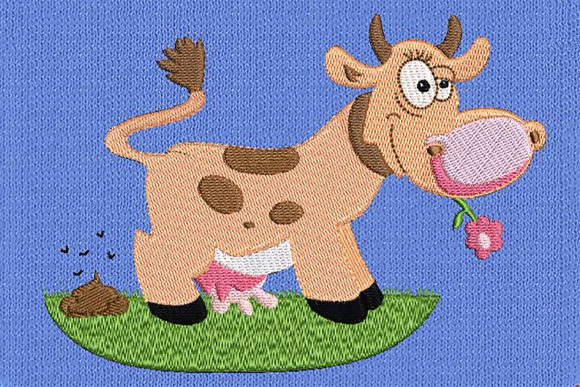
The name Happy Cow Clip-art immediately sets a mood. It feels cute, approachable, and taps into that popular farmhouse aesthetic without being overly rustic. This isn’t a detailed portrait; it’s likely a charming, stylized illustration perfect for decorative accents. This emotional tone is crucial. At a bustling craft fair, customers often buy on a quick, positive feeling—joy, nostalgia, or simple delight. A happy cow delivers that instantly.
Given its category as a farm animal and its description as a “mildly difficult” project for a 5” x 7” hoop, I expect a design with some character, possibly with nice line work and filled areas. This suggests it’s more than a minimal outline; it has substance, which adds perceived value on finished products.
Where This Happy Cow Shines on Craft Fair Products
Imagining my booth display—tote bags, aprons, tea towels, caps, patches, and pillow covers—I’m evaluating where this Happy Cow Clip-art would stand out and sell best.
Top Contenders for High Sales
- Kitchen & Home Goods: This design is a natural fit for tea towels and apron embroidery. The farmhouse feel resonates perfectly in a kitchen context. On a crisp linen towel or a cotton apron, a 5” x 7” hoop size gives it a substantial focal point without overwhelming the item.
- Tote Bags & Market Bags: A cheerful cow on a simple canvas tote bag is an excellent, versatile product. It feels handmade, functional, and giftable. The size works well as a central design on a bag’s front panel.
- Pillow Covers: For a smaller accent pillow, this could be a delightful main feature. It elevates a pillow from a simple home decor item to a specific, charming statement piece, appealing to buyers looking for a touch of personality.
Strong Supporting Products
- Embroidered Patches: If the design is adaptable to a slightly smaller size without losing clarity, a Happy Cow patch is a fantastic add-on product. Patches sell well to a broad audience for customization.
- Fabric Pouches & Small Gifts: Embroidered onto a small zipper pouch or a needle case, the design becomes a premium detail, increasing the perceived value of a simple item.
- Caps: A cow design on a cap can be fun, but careful testing is needed. The curved surface and often thicker fabric require perfect stabilizer use—as the product notes wisely advise.
Practical Selling & Production Analysis
Turning a machine embroidery design into a successful craft fair product requires a cold, hard look at the logistics.
Visual Communication & Batch Production
The design’s name and likely style mean it’s easy to understand at a glance. This is vital for both online listings and in-person booth sales. Customers don’t spend minutes deciphering a design; they see a happy cow and instantly connect. For Etsy sellers and small shop owners, this makes for great product photographs. The design should pop clearly against fabric backgrounds.
Being “mildly difficult but doable by beginners” suggests it’s not overly simplistic nor impossibly complex. For batch production, this is a good middle ground. It’s repeatable without being mind-numbingly simple, and it won’t have astronomical stitch counts that eat time and thread. However, always test one sample first to gauge actual production time.
Critical Careful-Use Notes from a Designer
- Stabilizer is Non-Negotiable: The product description explicitly states proper hooping and two layers of tear-away or one medium cut-away stabilizer is a must. This tells me the design likely has areas of density or details that need solid support to prevent puckering, especially on items like towels or bags.
- Fabric & Contrast Considerations: On dark fabrics, thread color choice becomes paramount. Does the Happy Cow Clip-art use predominantly light threads? A test on scrap fabric is essential. On textured towels, stitch clarity might soften, which can be a charming handmade look, but you must confirm it doesn’t lose key details.
- Size Adaptability: While the provided hoop size is 5” x 7”, consider if it can be scaled down for smaller items like patches. Some designs lose tiny details or become too dense when miniaturized. Always stitch a sample at the smaller size before committing.
Impact on Booth Success & Customer Engagement
A design like this affects more than just the single product it’s on; it influences your entire booth’s vibe.
Building Visual Appeal & Attention
A well-embroidered Happy Cow on a tote bag or pillow acts as a strong display sample. It attracts attention through its cheerful theme and clean execution. In a booth filled with various items, these farm animal designs often create a cohesive “collection” feel, encouraging buyers to look at other related products.
Elevating Perceived Value & Handmade Quality
Embroidery inherently adds a premium touch. When the design is stitched cleanly with good thread coverage and no puckering—thanks to that crucial stabilizer—it screams quality. Customers at fairs appreciate the visible skill, making them more likely to pay a fair price for the handmade product. This design, with its described moderate difficulty, showcases that craft beautifully.
Final Professional Designer Notes Before Production
Before I digitize any fabric for the fair, my checklist for a design like Happy Cow Clip-art is practical and thorough.
- Create a Real, Physical Mockup: Never rely solely on the digital file view. Stitch it out on the actual fabric you plan to use for your key product (e.g., canvas for bags, linen for towels). This reveals true thread color interaction, fabric behavior, and final appearance.
- Test Thread Contrast: Stitch samples on both light and dark background scraps. Does the design maintain its cheerful visibility? You may need to adjust default thread colors for certain applications.
- Inspect Stitch Density & Sequencing: Run the embroidery file and observe. Are there very dense areas that might require longer production time or special needle considerations? Does the stitch order make sense for a clean finish?
- Confirm Commercial Licensing: The product description provided doesn’t mention licensing. As a designer selling finished products, I must verify that the digital embroidery file I purchased comes with a commercial license allowing me to sell the embroidered items. This is a critical, non-negotiable business step.
- Compare Across Fabric Colors: Make samples in your intended color range. Does the cow look best on natural linen, bright white, or soft pastel canvas? This informs your material purchasing and product lineup.
In conclusion, the Happy Cow Clip-art presents a strong opportunity for craft fair and handmade market products. Its appealing theme, practical hoop size, and clear stabilizer requirements signal a design that, with professional preparation, can translate into high-quality, attention-grabbing items that resonate with customers seeking a touch of handmade charm. By focusing it on kitchen textiles, totes, and decorative pillows, and by rigorously following pre-production testing, this happy cow can indeed become a profitable star of your embroidery booth.