Embroidery Designer Review: I Have Control Issues
As a designer preparing a limited sweatshirt drop for a boutique, every embroidery file choice is critical. It’s not just about a cool graphic; it’s about how that design translates into a premium, tactile product that resonates with a specific audience. Today, I’m reviewing I Have Control Issues from that exact perspective.
First Impression: Bold, Playful, and Unapologetically Direct
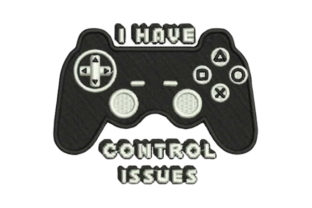
The title alone, I Have Control Issues, sets a distinct mood. This isn’t a subtle, decorative motif; it’s a statement. For a boutique targeting gamers and those with a playful, self-aware sense of humor, it’s perfect. The layout promises a strong central focus, ideal for a classic chest placement on a sweatshirt or hoodie. The detail level suggested by the description feels balanced—not overly dense to distort soft fabrics, yet with enough personality to stand out as a finished product.
How It Works on Premium Sweatshirts
Imagine this design on a neutral, heavyweight cotton sweatshirt. The thread color contrast becomes key. Using a bright, crisp white or a metallic silver on a heather grey fabric would make the statement pop with a clean, casual-bold feel. On a dark fabric, like charcoal or black, the same light threads would create a high-impact, premium look suitable for both oversized hoodies and classic fits.
For a softer, more feminine or playful twist for your boutique collection, consider stitching I Have Control Issues on a pastel sweatshirt—a soft blush pink or mint green. Using a slightly darker thread for contrast would lend a cute, ironic vibe, perfect for cozy seasonal apparel. The design’s inherent boldness prevents it from becoming too minimal; it remains a decorative focal point regardless of the color palette.
Practical Concerns for Boutique Production
When transitioning from a digital embroidery file to a physical handmade product, several technical factors affect quality and customer trust.
First, stitch density. A design meant for “any type of fabric” must have balanced density. Too dense, and it stiffens the plush texture of a premium sweatshirt; too light, and it lacks durability. I would test this on a scrap of my chosen sweatshirt fabric first to assess the hand-feel after embroidery.
Second, stabilizer choice and hoop placement. A large, statement chest design requires a stable hoop setup to prevent puckering, which can ruin the premium look. Given the description mentions “multiple embroidery file” formats, one likely includes a size suitable for a standard 5x7 or 6x10 hoop, common for sweatshirt embroidery. Always verify the actual hoop size recommendations in the file details before production.
Third, small-size readability. While this seems designed for a prominent placement, a boutique might consider a smaller version for a sleeve accent or paired with a larger back design. Check that the lettering and elements remain clear and crisp when scaled down for custom apparel variations.
Finally, washing durability. For commercial embroidery on apparel meant to last, the stitch structure must hold up. A well-digitized file with proper underlay and stitch directions will ensure the design survives washes, maintaining your brand’s reputation for quality.
Building Brand Identity Through Design
Choosing I Have Control Issues for a limited drop isn’t just about a single product. It shapes your boutique’s identity. This design offers immediate visual recognition. In lifestyle product photography or Etsy listings, it tells a story—it connects with a community (Games culture) and a mindset. It feels current and engaging.
Using it on high-quality, neutral sweatshirts elevates it from a simple graphic to a desirable boutique brand merchandise piece. The handmade, embroidered presentation adds perceived value over a printed alternative, appealing to small shop customers looking for uniqueness. It can become a signature item that drives customer engagement and repeat business.
From Digital File to Finished Product Vision
The promise of “multiple embroidery file” formats is a significant advantage for a designer. It allows flexibility. You might use one format for the main chest design on hoodies and another, perhaps a simplified version, for complementary items like beanie logos or tote bags, creating a cohesive collection.
For printable mockups and design assets to preview the drop, a clean rendering of this design against various sweatshirt fabric texture mockups will showcase its versatility. Preview it on dark, light, and pastel backgrounds to attract a wider audience.
Is I Have Control Issues strong enough for commercial embroidery use? Based on the description, its intent for gamers and fabric versatility suggests robust digitization. However, the final judgment comes from a test sew. Run it on your intended fabric with your chosen thread colors. Evaluate the stitch coverage, the clarity of the message, and the overall aesthetic. Does it feel premium? Does it align with your boutique’s vision—casual, bold, and playful?
In my evaluation, I Have Control Issues presents a compelling opportunity for a small brand. It’s a design with personality that, when executed with attention to technical embroidery details on quality apparel, can transform into a standout product that builds brand identity and customer loyalty. Always remember to check the specific file details—stitch count, exact formats, and licensing—before committing to production. But creatively, this design has the control to make your next sweatshirt drop a memorable one.